

In a devastating incident over the weekend, armed gangs attacked the community of Kenscoff, located in the hills above Port-au-Prince, resulting in at least 47 fatalities and more than 50 kidnappings, according to reports from the United Nations.
The violence has raised serious concerns about the security situation in Haiti, which many believed was improving. Romain Le Cour, head of the Haiti observatory at the Global Initiative Against Transnational Organized Crime, described the attack as a significant political and security challenge for the Haitian government, police, and international forces.
Threats from Gang Leaders
Following the attack, a gang leader known as Izo 2 issued a chilling warning to the director of Haiti’s national police, Vladimir Paraison. In a video shared on social media, he threatened to kill hostages if any gang members were harmed during police operations. Izo 2 is reportedly affiliated with Johnson André, a notorious gang leader in Haiti.
Le Cour noted that the attack might have been intended to stretch the limited resources of the police and UN-backed forces, which are already struggling to maintain control in the area. “If you force them to deploy more troops, it would inevitably be at the expense of other areas,” he stated.
Context of the Violence
This incident marks the largest attack on Kenscoff since a significant assault in January 2025, with sporadic violence occurring in the region since then. The UN has reported that at least five children were among those killed in the recent attack.
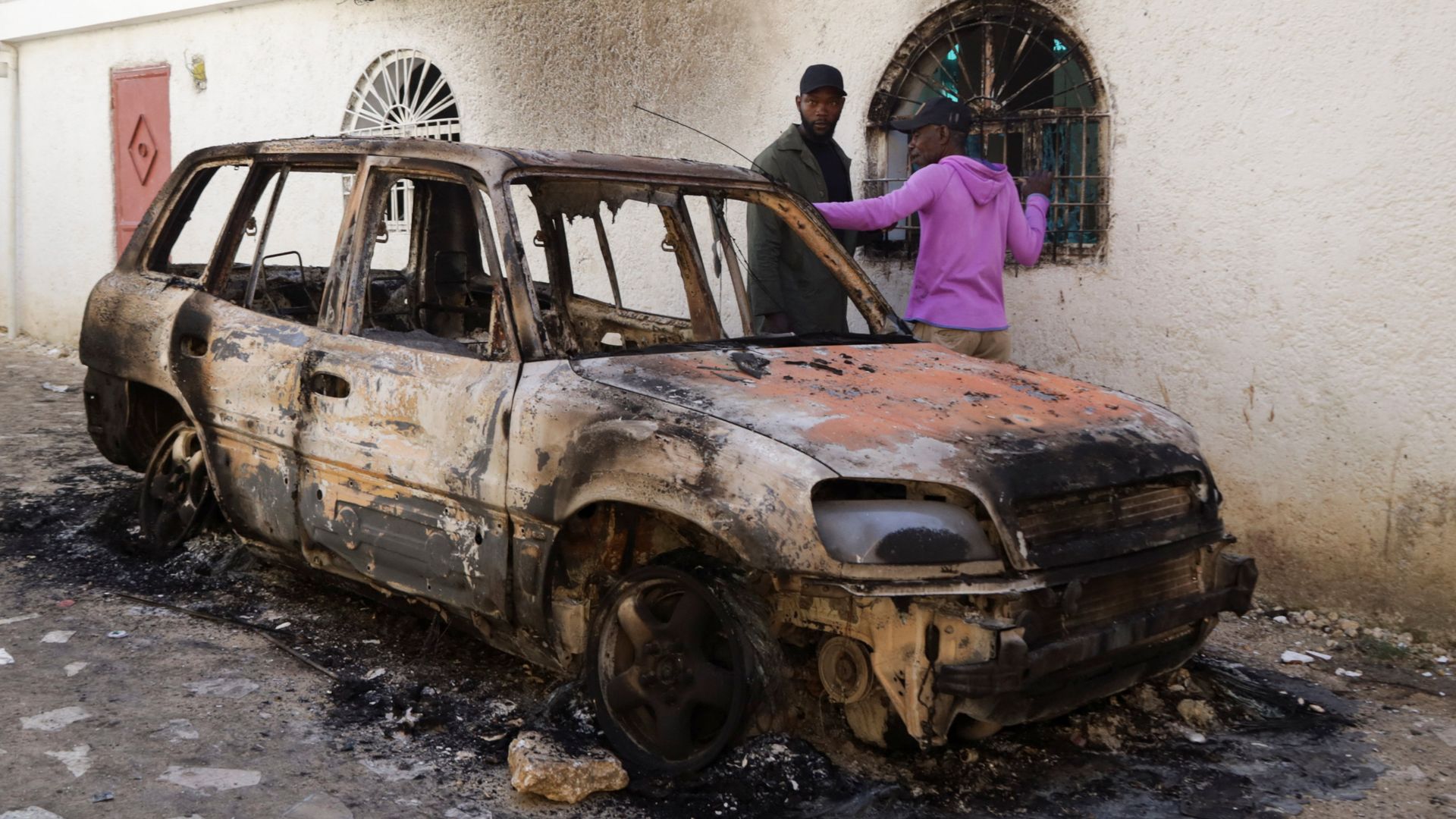
Kenscoff’s mayor, Jean Massillon, confirmed that two government employees were among the deceased, including his cousin, who served as his security detail. He also reported that the gang coalition known as Viv Ansanm, designated as a foreign terrorist organization by the US, had set fire to 25 homes during the assault.
Government Response and Public Sentiment
In the aftermath of the attack, some survivors criticized the government for failing to provide adequate protection. However, police officials have denied these claims. Le Cour expressed concern over the police’s preparedness, questioning how gangs could infiltrate the area if law enforcement and armored vehicles were indeed present prior to the violence.
Currently, armed groups are estimated to control around 70% of Port-au-Prince and significant portions of Haiti, contributing to a humanitarian crisis that has displaced approximately 1.5 million people. UN statistics indicate that over 3,050 people were killed and another 1,400 injured in gang-related violence from January to June of this year.


Deja una respuesta