
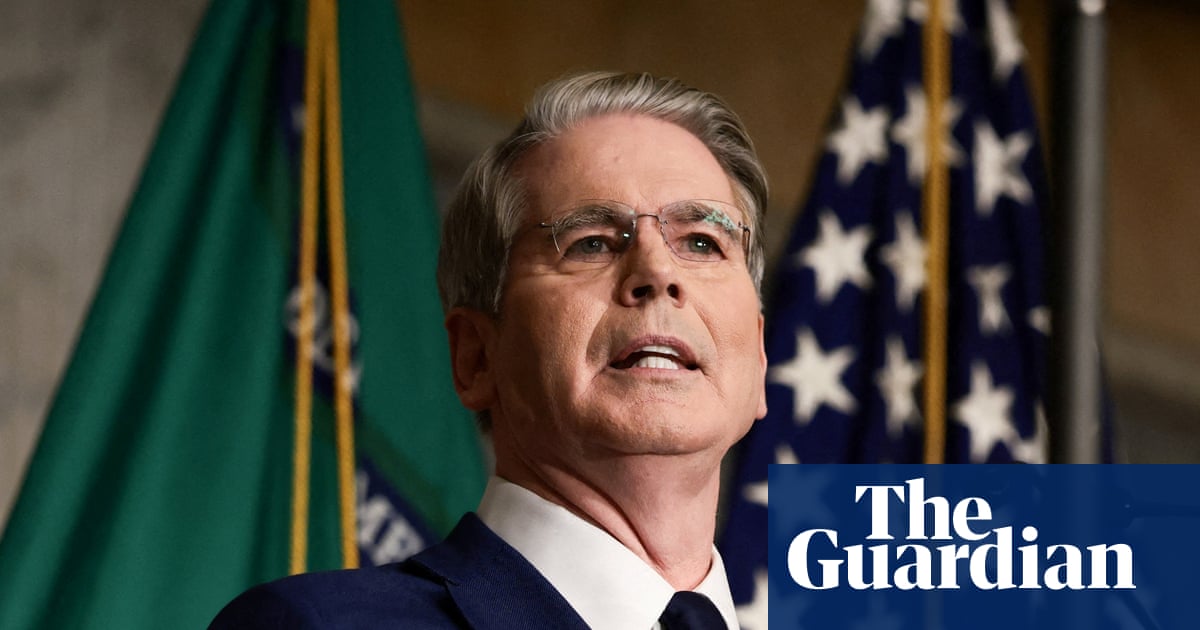
Scott Bessent, the US Treasury Secretary, is facing criticism from his former mentor, billionaire investor Stanley Druckenmiller, regarding his recent strategies aimed at managing bond yields. Bessent’s attempts to calm the bond markets and reduce borrowing costs have raised concerns about the sustainability of such measures.
Criticism from a Financial Veteran
Druckenmiller, who previously collaborated with Bessent at George Soros’s fund management firm in the 1990s, has publicly warned that Bessent’s approach could lead to significant financial repercussions. In an op-ed for the Wall Street Journal, Druckenmiller emphasized that the US government should allow the bond market to operate freely rather than attempting to artificially suppress yields through increased bond purchases.
“Governments defending prices against fundamentals always lose,” Druckenmiller stated, highlighting the inherent risks of manipulating market dynamics. He urged Washington to focus on reducing the budget deficit instead of interfering with market mechanisms.
Recent Actions by Bessent
Bessent recently announced plans to at least double the maximum size of the Treasury’s buyback operations from $2 billion to $4 billion. While this move temporarily resulted in a drop in long-term bond yields, the effect was short-lived, indicating a potential miscalculation in strategy.
Druckenmiller remarked, “The market’s verdict was swift and correct: This wasn’t liquidity management, it was price management – and a mistake far larger than $4 billion suggests.” He underscored that addressing the primary budget deficit is crucial for achieving lasting reductions in long-term yields.
Current Economic Context
The US national debt has recently surpassed $40 trillion, with an annual deficit projected to reach $2 trillion this year. Druckenmiller argues that a credible fiscal package would be more effective in stabilizing long-term yields than any buyback program, regardless of its size.
Market analysts, including Axel Rudolph from IG, have noted that Bessent’s intervention signals growing discomfort within Washington regarding escalating long-term borrowing costs. This situation is further complicated by rising geopolitical tensions and their impact on inflation and economic stability.
Historical Parallels
The irony of Bessent’s current position is not lost on observers, particularly given his history with Soros during the infamous Black Wednesday in 1992, when they successfully pressured the Bank of England to devalue the pound. Despite this experience, Bessent has recently engaged in efforts to support the yen in collaboration with Japan, aiming to prevent the sale of US bonds to fund yen purchases.
Adam Posen, president of the Peterson Institute, commented on the situation, noting the remarkable contrast between Bessent’s past successes and his current strategies. “The irony of the guy working for Soros and Druckenmiller who broke the Bank of England back in 1992 pretending that you can do FX intervention alone, and lastingly defend a currency, is just amazing,” he stated.
Future Implications
As geopolitical tensions escalate, particularly following the collapse of US-Canada trade talks and the failure of US-Iran peace negotiations, bond yields are likely to continue rising. These developments could further strain fiscal policies and complicate Bessent’s efforts to manage the bond market effectively.



Deja una respuesta