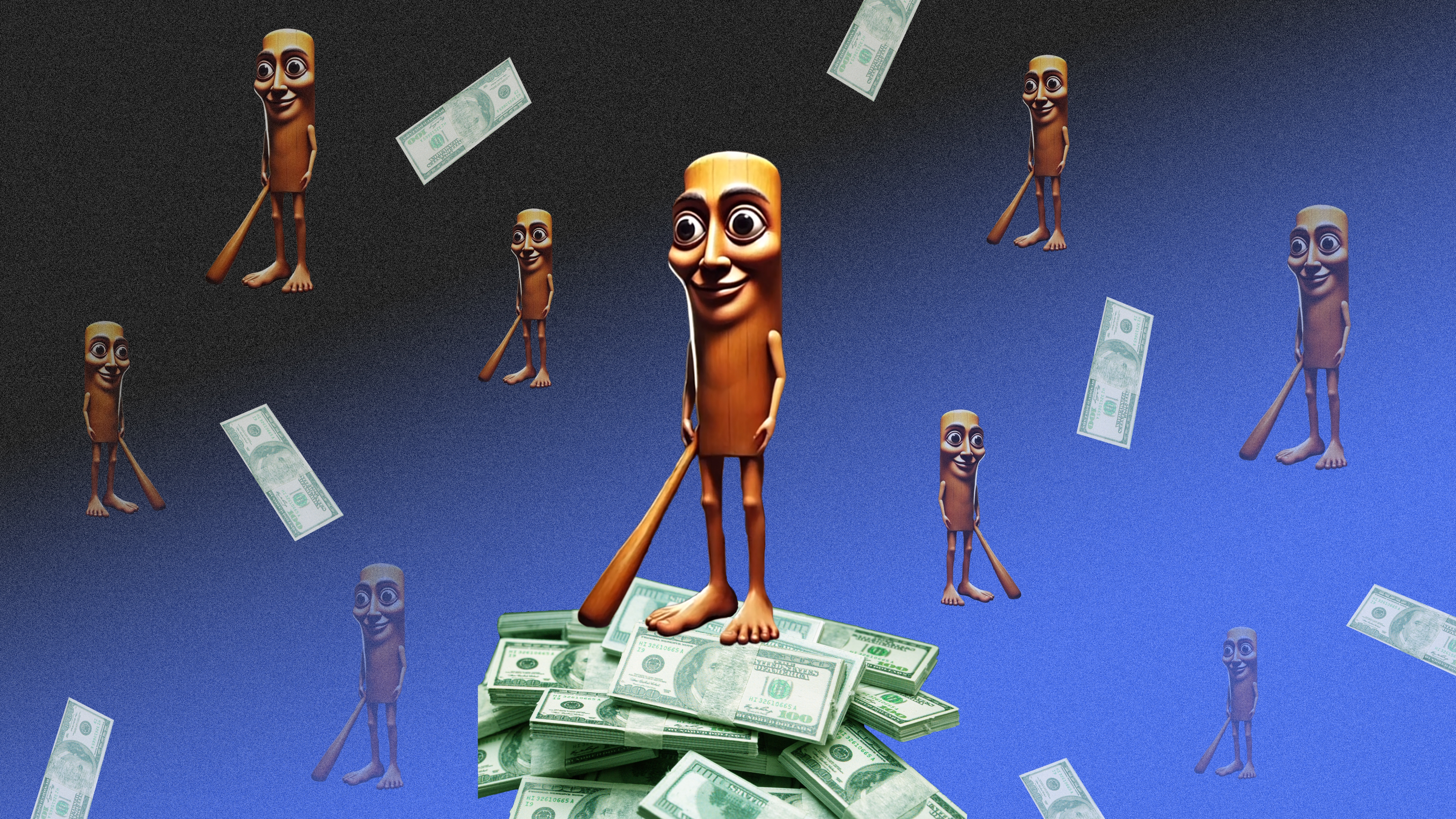
The rise of artificial intelligence (AI) in the creative sector has sparked significant debate regarding copyright ownership, particularly in the realm of AI-generated art. A recent case involving the term ‘Italian brainrot’ has brought this issue to the forefront, as artists and creators grapple with the implications of AI’s capabilities.
Background on AI Art and Copyright
AI-generated art has become increasingly popular, with various algorithms capable of producing images, music, and even literature. However, the question of who owns the rights to these creations remains contentious. Traditional copyright laws were not designed to address the complexities introduced by AI, leading to a legal gray area.
The ‘Italian Brainrot’ Phenomenon
The term ‘Italian brainrot’ refers to a specific style of AI-generated art that has gained traction on social media platforms. This style is characterized by its surreal and often chaotic imagery, which some argue reflects a unique artistic expression. However, as this trend grows, so does the concern over copyright infringement and the potential for misuse of original works.
Legal Challenges and Artist Responses
Several artists have begun to challenge the use of their works in training AI models, claiming that their original creations are being appropriated without consent. These legal battles could set precedents for how copyright laws are applied to AI-generated content. Artists are advocating for clearer regulations that protect their rights while also allowing for innovation in the field of AI art.
The Future of AI and Copyright
As the technology continues to evolve, the legal landscape surrounding AI-generated art will likely undergo significant changes. Stakeholders, including artists, tech companies, and legal experts, are closely monitoring these developments to understand how they will impact the future of creativity and ownership in the digital age.


Deja una respuesta