
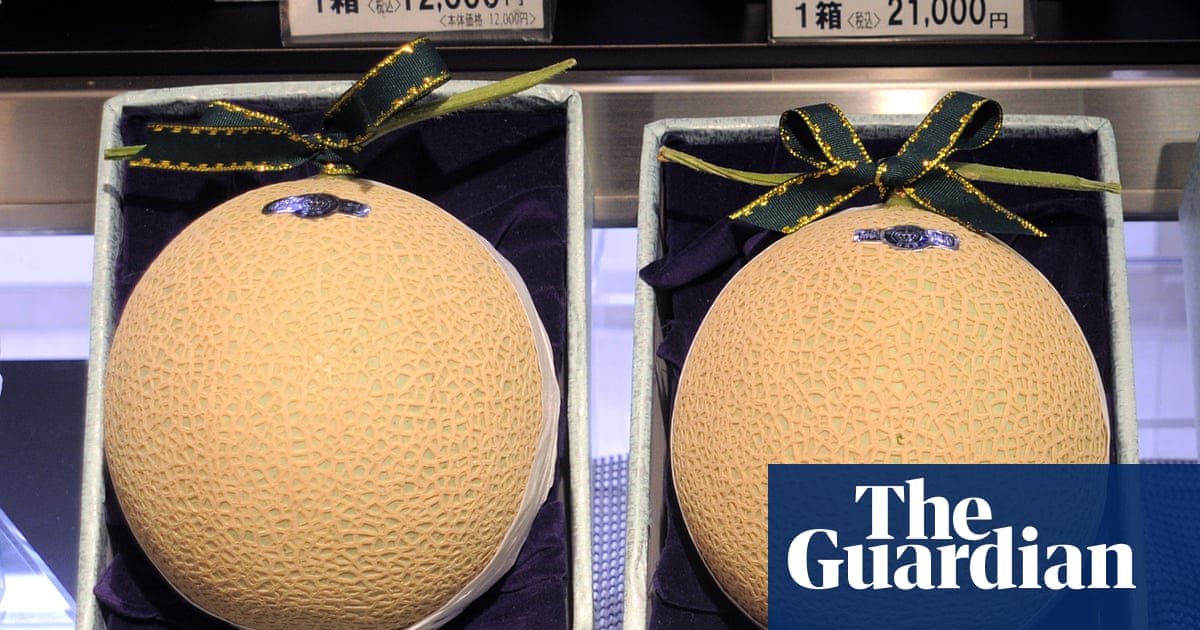
In a surprising twist in Australian politics, Prime Minister Anthony Albanese has found himself at the center of a controversy dubbed ‘melon-gate’ following remarks made on the Bush Deep podcast. The focal point of the debate is a gift of Shizuoka Crown melons from Japan’s Prime Minister, Sanae Takaichi, which has sparked discussions about cultural practices and perceptions of luxury.
The Cultural Significance of Melons in Japan
Shizuoka Crown melons are not just a fruit; they are a symbol of Japanese gifting culture. According to fruit expert Thanh Truong, also known as Fruit Nerd, the practice of gifting fruit in Japan is deeply rooted in tradition and reflects a level of respect for the recipient. These melons, which can cost between $50 and $150 each, are meticulously hand-patted by growers to achieve their distinctive shape and texture.
Albanese’s Comments Under Fire
Albanese’s comments regarding the melons have drawn criticism, with some interpreting his remarks and gestures as dismissive of the cultural significance behind the gift. However, the Prime Minister has stated that he believes he has nothing to apologize for, maintaining that his intention was not to offend.
Fruit Gifting: A Contrast Between Cultures
In contrast to Japan, where fruit is often viewed as a luxury item, Australian culture treats fruit as a commodity. Truong points out that in Australia, fruits are expected to be affordable and accessible, whereas in Japan, the act of gifting fruit is an expression of care and thoughtfulness.
Seasonality and Rarity of Japanese Melons
Graham Gee, a senior buyer at Melbourne’s Happy Apple, notes that while Australians have year-round access to various muskmelons, the melon market in Japan is highly seasonal. The arrival of Shizuoka Crown melons is a special occasion, adding to their allure as a gift.
Import Regulations and Local Availability
This year marked a significant change in Australian import regulations, allowing fresh melons from Japan, although imports from the Okinawa prefecture remain banned. However, local fruit sellers have yet to see these luxury melons available for purchase in Australia.
Conclusion
The ‘melon-gate’ controversy has not only highlighted the complexities of cultural exchanges between Australia and Japan but also sparked a broader conversation about how luxury and gifting are perceived in different societies. As the debate continues, it remains clear that the Shizuoka Crown melon is more than just a fruit; it embodies a cultural narrative that resonates deeply within Japanese society.



Deja una respuesta