
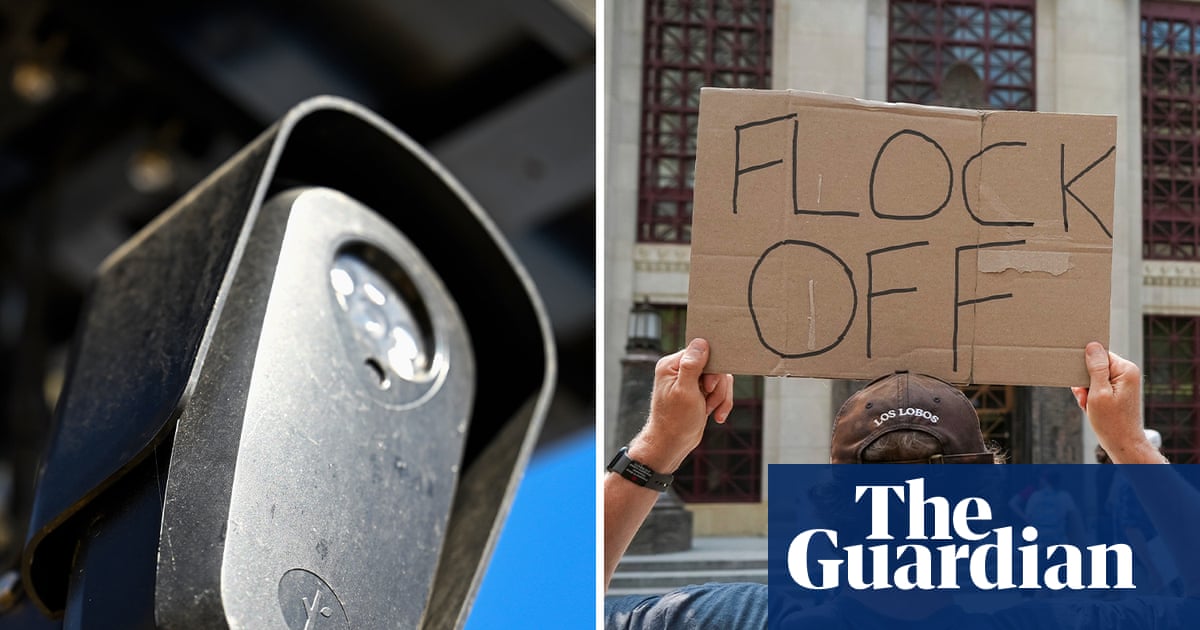
In a surprising turn of events, cities across the United States that have opted to discontinue their contracts with Flock Safety, a prominent provider of automated license plate readers (ALPRs), are discovering that surveillance persists through new vendors or unremoved cameras. This situation has left many residents feeling uneasy about their privacy.
Background on Flock Safety
Flock Safety operates over 120,000 cameras nationwide, scanning license plates billions of times each month. While local law enforcement agencies argue that these cameras are essential for solving crimes, privacy advocates contend that they create a pervasive surveillance environment. Critics highlight that the data collected can be accessed without a warrant and often includes information about individuals not suspected of any wrongdoing.
Recent Developments in Longmont
In December 2025, the Longmont city council in Colorado decided not to renew its contract with Flock Safety, which was seen as a victory for privacy advocates. However, this victory was short-lived. Just months later, the council approved a new contract with Axon, a larger police technology company known for its production of Tasers and other law enforcement tools. Activists, including Longmont resident Andrew Palmer, expressed disappointment over the swift transition to a new vendor without adequate public discussion.
Concerns Over New Vendor Contracts
While Axon has promised enhanced data protection and transparency, critics argue that simply switching vendors does not address the fundamental issues surrounding surveillance and data privacy. Palmer noted that the city council’s decision to approve Axon’s ALPRs was made without allowing residents to voice their concerns adequately. This sentiment was echoed by other activists who felt sidelined during the decision-making process.
Continued Surveillance Despite Contract Changes
Even in municipalities that have officially severed ties with Flock, surveillance remains a pressing issue. New companies often step in to fill the void, and in some cases, Flock has failed to remove its cameras promptly. Reports indicate that several cities have resorted to covering Flock cameras with trash bags as a temporary measure.
Wider Implications of ALPR Technology
Privacy experts warn that the shift from Flock to Axon may not significantly change the surveillance landscape. Axon’s extensive infrastructure and AI-driven platforms could pose new risks, as they integrate various data sources to enhance monitoring capabilities. Andrew Ferguson, a law professor, emphasized the importance of examining the broader surveillance system rather than focusing solely on individual vendors.
Activism and Future Directions
As communities grapple with the implications of surveillance technology, activists are pushing for more robust privacy protections. The ACLU advocates for strict limits on data retention and warrant requirements for accessing license plate information. Some municipalities are exploring the establishment of local review boards to oversee surveillance practices and ensure transparency.
In Longmont, residents like Palmer are seeking to participate in a new technology advisory board aimed at increasing public scrutiny of surveillance measures. However, the ongoing challenges highlight the need for a comprehensive approach to data governance and privacy rights.



Deja una respuesta