
As of August 18, 2026, the United States and Iran find themselves at an impasse following the expiration of a 60-day memorandum of understanding aimed at negotiating a broader peace deal. The lack of progress has left the ongoing conflict, which has persisted for 24 weeks, unresolved.
Threats and Diplomatic Maneuvers
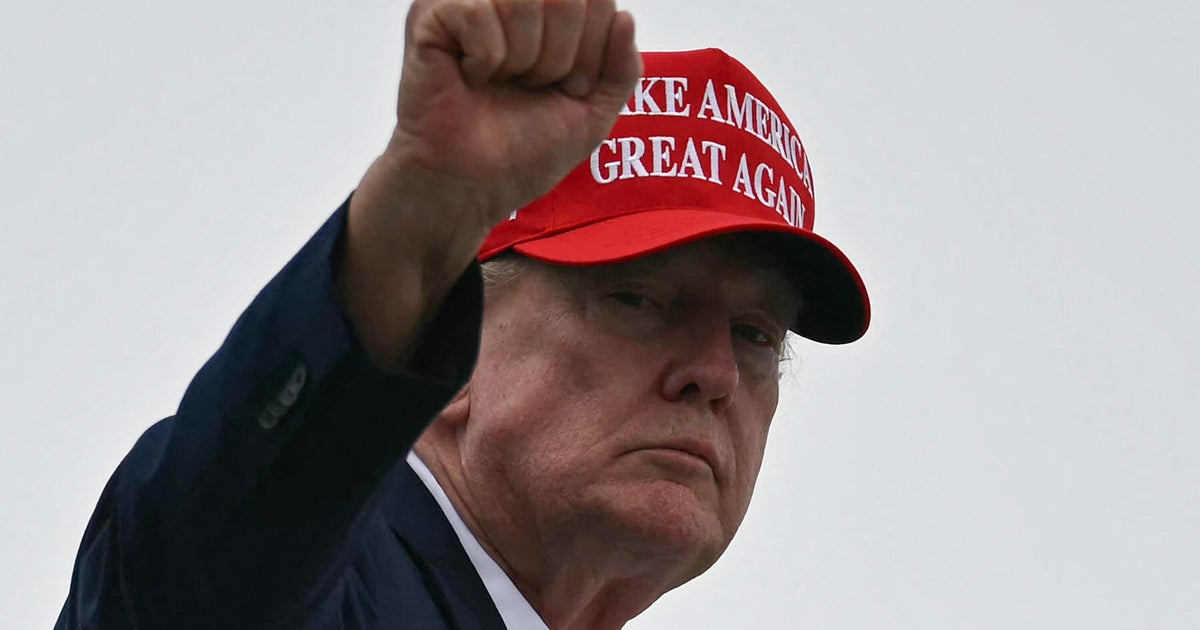
President Trump issued a stark warning on Monday, threatening to bomb Oman if it interferes with U.S. efforts to reopen the crucial Strait of Hormuz. This statement follows Iran’s announcement of an agreement with Oman regarding future shipping routes in the strait, a vital passage for global oil transport.
In a related diplomatic effort, Jared Kushner, Trump’s son-in-law and senior advisor, met with Israeli Prime Minister Benjamin Netanyahu to discuss a U.S.-backed peace proposal for the Gaza Strip. However, Netanyahu had previously rejected this proposal, indicating a challenging diplomatic landscape.
Military Developments and Economic Impact
The U.S. military has been actively enforcing a naval blockade on Iran, redirecting 64 commercial vessels and disabling three others as part of its operations. This blockade has contributed to a significant decline in maritime traffic through the Strait of Hormuz, which fell by 19.5% last week.
Meanwhile, U.S. stock markets reacted negatively to rising oil prices, which surged due to uncertainties surrounding the conflict with Iran. The S&P 500 and Dow Jones Industrial Average both experienced declines as investors grappled with the implications of the ongoing war on global oil supplies.
Iran’s Response and Regional Tensions
Iran’s Foreign Ministry condemned a recent drone attack on the office of Masrour Barzani, the Prime Minister of Iraq’s Kurdish region, labeling it a suspicious act aimed at undermining relations between Iran and Iraq. This incident highlights the escalating tensions in the region, particularly as Iranian-backed groups have been implicated in numerous attacks against U.S. interests in Iraq.
Future Prospects
Despite the current stalemate, Kushner expressed that the U.S. remains open to negotiations, although he noted that Iran has not shown a willingness to engage in a deal that aligns with U.S. interests. Trump reiterated that the primary goal of U.S. involvement in the region is to prevent Iran from acquiring nuclear weapons.
As the situation evolves, the international community watches closely, with the potential for further military escalation or diplomatic breakthroughs remaining uncertain.


Deja una respuesta