
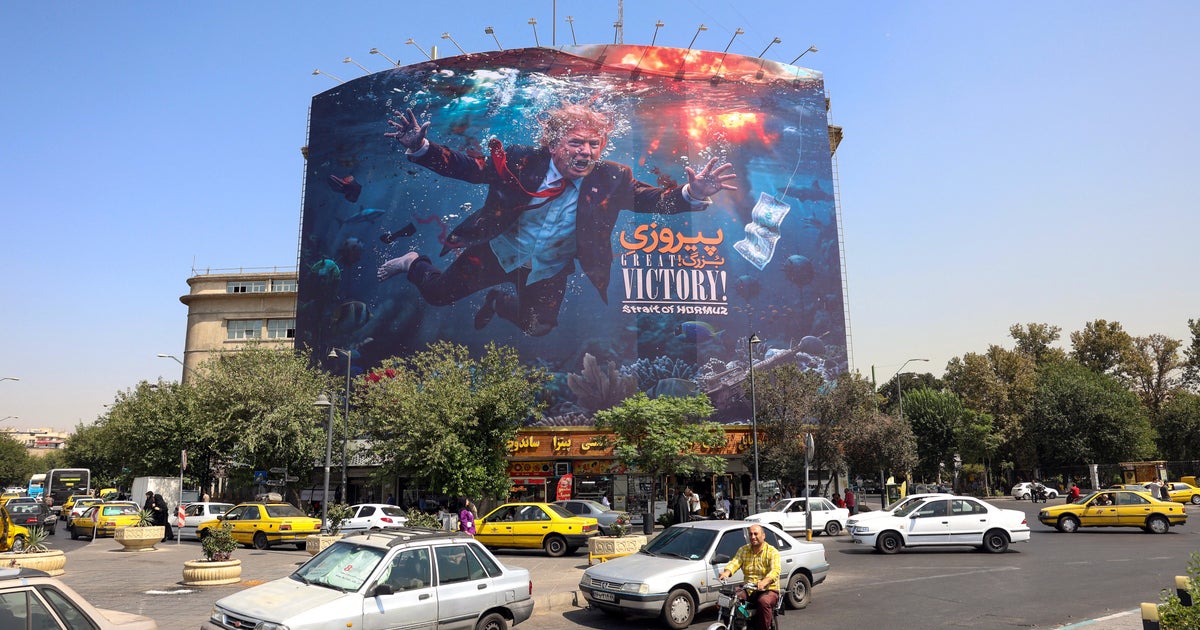
Iranian Economy Minister Ali Madanizadeh announced on Monday that Tehran has been preparing for new sanctions imposed by the United States, stating that the country is ready to confront the economic challenges ahead. This declaration comes as the U.S. Treasury Secretary Scott Bessent threatened to cut Iran’s remaining trade ties as part of a broader strategy to increase economic pressure on the nation amid the ongoing conflict.
International Reactions and Diplomatic Efforts
In response to the U.S. sanctions, China issued a warning against American interference in its business dealings with Iran, emphasizing that such interactions comply with international law. Meanwhile, Pakistan’s Interior Minister reported significant progress in discussions with Iranian officials, focusing on the U.S.-Iran war and the potential reopening of the Strait of Hormuz.
Impact on Oil Prices
Despite the announcement of new sanctions, oil prices have experienced a decline for two consecutive days. Brent crude oil fell by 3.8% to $87.14 per barrel, marking a shift after a period of rising prices. This fluctuation in oil prices reflects the uncertainty surrounding the U.S.-Iran negotiations and the potential for renewed maritime traffic through the Strait of Hormuz.
Iran’s Economic Resilience
Amidst the sanctions, Iranian leaders have publicly downplayed the impact of U.S. economic measures. Treasury Secretary Bessent claimed that Iranian officials are showing signs of panic, citing statements from Iranian leaders expressing a desire to end the conflict. However, Iranian officials have countered these claims, asserting that they have been preparing for sanctions for two years and are confident in their economic resilience.
Regional Diplomatic Initiatives
Iranian Foreign Minister Abbas Araghchi engaged in discussions with Qatari officials regarding the establishment of a temporary shipping corridor through the Strait of Hormuz. These talks aim to facilitate safe maritime navigation and address the ongoing tensions in the region. Omani Foreign Minister Badr bin Hamad bin Hamood Albusaidi expressed optimism about the negotiations, indicating that a temporary corridor could be announced soon.
U.S. Stance on Maritime Security
President Trump reiterated a strict policy against Iranian ships deploying mines in the Strait of Hormuz, stating that any such actions would result in immediate destruction of the vessels involved. This declaration underscores the heightened military tensions in the region as the U.S. seeks to maintain control over maritime security.
Conclusion
As Iran braces for new sanctions and engages in diplomatic efforts with regional partners, the situation remains fluid. The interplay between economic pressures, military posturing, and diplomatic negotiations will continue to shape the dynamics of the conflict in the Middle East.


Deja una respuesta