
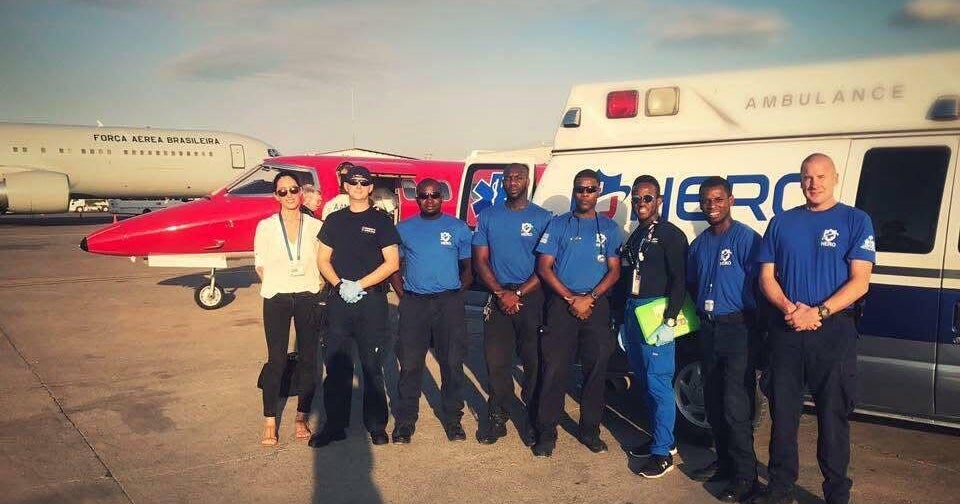
In the wake of the catastrophic earthquake that struck Haiti in January 2010, Stacy Librandi found herself amidst chaos at the Port-au-Prince airfield. As a young and inexperienced volunteer, she was part of a wave of humanitarian aid workers trying to make a difference in the face of overwhelming need. What began as a brief trip to help has transformed into a 16-year commitment to the Haitian people, culminating in the creation of the Humanitarian Emergency Response Organization (HERO), Haiti’s premier emergency medical service.
Early Life and Motivation
Born in San Diego, California, and adopted as a baby, Librandi’s upbringing was anything but traditional. She left formal education in her early teens and lived a nomadic lifestyle across the United States. After marrying at 19 and settling in the Bronx, her life took a downturn following a devastating apartment fire in 2009, which left her homeless and reevaluating her future. This pivotal moment led her to Haiti just weeks after the earthquake struck.
Establishing HERO
Upon her arrival in Haiti, Librandi witnessed the dire conditions firsthand, with supplies rotting on the tarmac and desperate people in need of assistance. She quickly mobilized a small team and began distributing aid, employing a methodical approach that emphasized organization and communication. Her efforts laid the groundwork for HERO, which has since evolved into the largest emergency medical service in the country, often referred to as Haiti’s 911.
Challenges and Growth
HERO’s journey has not been without obstacles. Following the earthquake, Librandi faced the challenge of establishing a reliable funding model. She proposed a low-cost membership program that provided ambulance services to those who paid an annual fee, while still catering to non-members in need. This innovative approach allowed HERO to thrive and expand its operations.
Adapting to a Changing Landscape
The assassination of President Jovenel Moïse in 2021 marked a turning point for Haiti, as armed gangs began to exert control over Port-au-Prince, severely disrupting daily life and access to emergency services. In response, Librandi and her team adapted HERO’s operations to meet the escalating demands for medical and security support. They introduced a security division, HALO Solutions Firm, to protect their staff and ensure safe operations amid increasing violence.
Current Operations and Future Plans
Today, HERO operates a fleet of ambulances and helicopters, providing comprehensive emergency services throughout Haiti. The organization employs around 120 staff members, including EMTs, surgeons, and communication experts, and collaborates with local hospitals to enhance healthcare delivery. HERO is also in the process of establishing a Level II Trauma Center, set to open soon.
Conclusion
Stacy Librandi’s journey from a volunteer to the founder of a critical emergency service highlights the resilience and adaptability required in humanitarian work. Despite the challenges posed by political instability and resource scarcity, HERO continues to serve as a beacon of hope and support for the Haitian population.


Deja una respuesta