
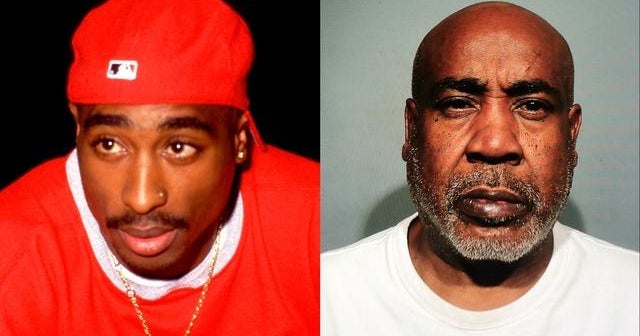
Las Vegas is once again at the center of a high-profile trial as Duane «Keffe D» Davis, 63, faces charges related to the infamous murder of rapper Tupac Shakur, who was killed in a drive-by shooting in 1996. The trial commenced on Monday, marking nearly 30 years since the tragic event that has captivated hip-hop fans and the public alike.
Charges and Background
Davis is charged with one count of murder with a deadly weapon, accused of orchestrating the attack to promote and assist a criminal gang. He has been incarcerated since late 2023 and has pleaded not guilty to the charges.
Family members of Shakur were present at the courthouse for the jury selection process, which is expected to take much of the week. Kendrick Lesane, Shakur’s cousin, expressed the family’s desire for justice, stating, «Whoever had anything to do with it, whoever set it up, whoever had any hand in it should be locked up in prison.»
The Events of That Fateful Night
On September 7, 1996, Shakur was a passenger in a black BMW driven by Marion «Suge» Knight, co-founder of Death Row Records. After attending a boxing match, the duo was en route to a nightclub when a white Cadillac pulled up alongside them at a red light, unleashing a barrage of gunfire. Shakur was struck multiple times and succumbed to his injuries six days later, while Knight survived with minor wounds.
Despite the passage of time, the case remained unsolved until Davis began making public statements about his involvement as a leader of the South Side Compton Crips. His 2019 memoir, which included candid details about the killing, reignited the investigation.
Prosecution’s Case
The prosecution’s strategy revolves around establishing Davis as the mastermind behind the shooting, rather than identifying the actual shooter. They argue that Davis’s admissions in interviews and his memoir provide crucial evidence of his role in the crime.
According to prosecutors, gunfire originated from the Cadillac in which Davis was present, making him one of the few surviving witnesses from that night. They contend that without Davis’s own confessions, the case may never have progressed to charges.
Defense Arguments
Davis’s defense team counters that there is no concrete evidence linking him to the shooting, asserting that the prosecution relies on unreliable witness testimonies. They argue that Davis distanced himself from criminal activities in 2009 and had been employed steadily until health issues forced him to retire in 2014.
Gang Rivalry and Motives
The backdrop of Shakur’s murder is steeped in a notorious rivalry between two prominent record labels—Death Row Records and Bad Boy Records—along with their associated gang affiliations. The South Side Compton Crips reportedly provided protection to Bad Boy Records, while Death Row was connected to the Mob Piru gang.
Prosecutors allege that the shooting was a retaliatory act following an altercation earlier that day, where Shakur and his entourage had assaulted Davis’s nephew, Orlando «Baby Lane» Anderson. Davis has denied any involvement in the shooting during interviews.
Public Interest and Court Proceedings
Due to the immense public interest in the trial, the Eighth Judicial District Court has implemented a lottery system for courtroom seating. An overflow room will also be available for those wishing to watch the proceedings live, although space will be limited.
Family’s Perspective
For Shakur’s family, the journey through the past three decades has been fraught with emotional turmoil. Maurice «Mopreme» Shakur, Tupac’s stepbrother, expressed that no verdict could truly bring back his brother, stating, «That would be justice for me. But we all know that is unattainable.» He also called for further investigation into allegations involving Sean «Diddy» Combs, who has denied any connection to Shakur’s death.
As the trial unfolds, many are left to ponder the lasting impact of Tupac Shakur’s music, which continues to resonate with fans around the world, addressing themes of love, struggle, and social justice.


Deja una respuesta