
Spain has instituted border controls for all travel originating from Italy, a move that reflects escalating tensions between the two European Union countries. This measure, which took effect at midnight and is set to last for one month, follows Italy’s recent implementation of similar restrictions in response to the arrival of approximately 78,000 migrants from Morocco to the Spanish enclave of Ceuta.
On Friday, Spain demanded that Italy lift its controls by the upcoming Sunday. However, the Italian government responded firmly, stating that it would not accept any «ultimatums» and that its border measures would remain in place at least until August 15. Rome cited concerns about a potential new wave of migrants heading to Ceuta as justification for its actions.
Background of the Migrant Crisis
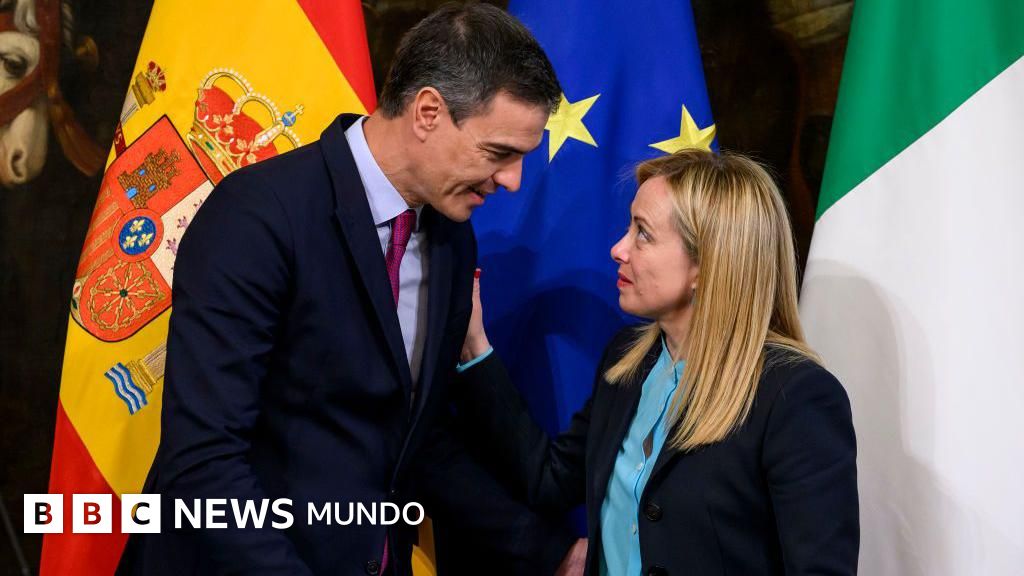
The ongoing crisis has pitted Spanish Socialist leader Pedro Sánchez against Italian conservative Prime Minister Giorgia Meloni, who has long advocated for stricter EU migration policies. Despite the heightened tensions, Spanish officials have not indicated an expectation of a second wave of border crossings. However, speculation has been fueled by social media activity from Moroccan users planning another attempt to cross into Ceuta on August 15.
The Spanish government has stated that it is closely monitoring the situation but does not anticipate a repeat of the chaotic scenes witnessed the previous week.
Italy’s Justification for Border Controls
Italy’s decision to partially suspend the Schengen Agreement, which allows for free movement within the EU, is aimed at preventing migrants who entered Ceuta from traveling to Italy. Spain has rejected this rationale, arguing that it is based on «spurious» claims since the migrants in question have no means to access the Schengen area. Furthermore, Spanish officials noted that most of the migrants have already returned to Morocco.
In response to Spain’s actions, the Italian government reiterated that it would not reconsider its decision until at least August 15, citing ongoing security and terrorism risks in Italy.
Spain’s Perspective on the Situation
In a statement, the Spanish government characterized Italy’s measures as «unjust, contrary to EU interests, and discriminatory against the Spanish population.» Spain pointed out that Italy has recorded the highest number of irregular crossings within the EU in recent years, with figures that have reportedly doubled those of Spain, and accused Italy of not adhering to EU asylum regulations, thereby increasing migration pressure on other member states.
Spanish border controls will remain in effect until September 7, unless circumstances change that would justify a modification of this timeframe.
Current Migrant Situation in Ceuta
As of now, nearly 1,400 minors, including very young children, are still in Ceuta following last week’s crossings. Spanish Youth Minister Sira Rego acknowledged that the system was overwhelmed during the crisis but stated that it is now under control, emphasizing that priority is being given to the most vulnerable cases.
Diplomatic Strain and EU Reactions
The enclaves of Ceuta and Melilla have historically been sources of diplomatic friction between Spain and Morocco, which does not recognize Spanish sovereignty over these territories. The recent border crossings have also sparked disagreements among EU countries that participate in the Schengen Agreement.
Italy’s decision to impose border controls has received backing from Finland and Denmark, while the Czech Republic has called for Spain’s temporary suspension from the Schengen area. Italian authorities have stated that local officials are doing their best to ensure a smooth experience for travelers from Spain and other EU countries, asserting that additional controls apply only to non-EU nationals.
However, reports indicate that passengers arriving from Spain have faced long wait times and were directed to a separate line for additional checks at several airports.
Temporary suspensions of the Schengen Agreement are not unprecedented, as Italy also maintains controls along its border with Slovenia.



Deja una respuesta