
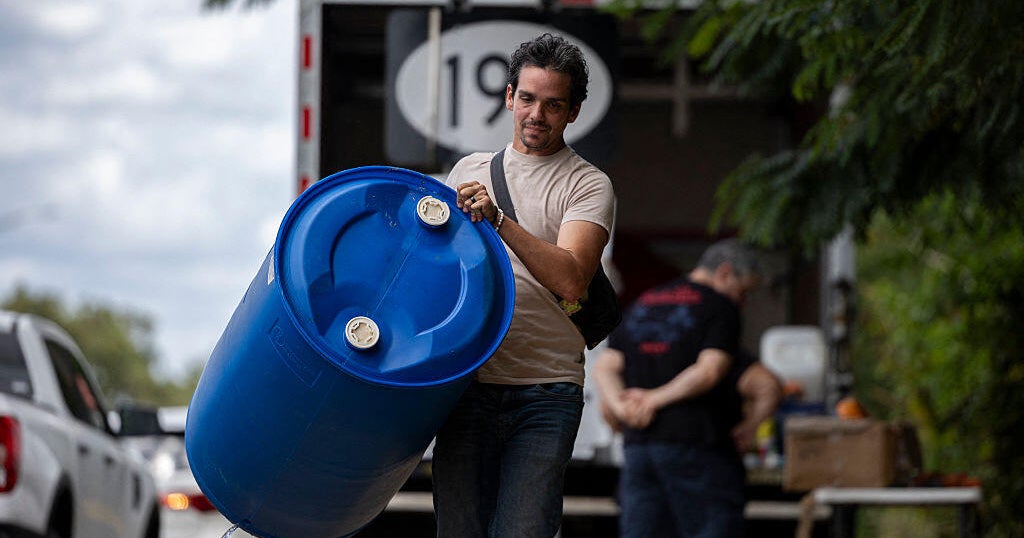
On August 7, 2026, residents of Puerto Rico’s capital, San Juan, and surrounding areas awoke to a stark reality: a massive water rationing measure had taken effect, leaving hundreds of thousands without running water. This decision comes in the wake of a severe drought exacerbated by long-standing infrastructure problems on the island.
Local resident Gloriany Baba expressed her frustration, stating, «It’s brutal. It’s unbelievable to live through this today,» reflecting the sentiments of many affected by the crisis.
Impact of Rationing Measures
The water rationing affects over 180,000 customer accounts, which includes both households and businesses in San Juan and six other municipalities. Customers have been split into two groups, with each group experiencing water outages for at least 48 hours at a time. Government officials have not provided a timeline for when the rationing will conclude, with some warnings indicating that outages could extend to 72 hours.
Severe Drought Conditions
July 2026 marked the driest month in over 120 years for San Juan, and the second hottest on record. According to the U.S. Drought Monitor, approximately 36% of Puerto Rico is currently facing severe drought conditions, while another 32% is experiencing moderate drought.
Ada Monzon, chief meteorologist at WAPA-TV, emphasized the severity of the situation, stating, «It’s not going to take one tropical system. It’s going to take many tropical systems and the winter precipitation for us to get out of this drought crisis.»
Infrastructure Challenges
The drought has intensified the strain on a water system that has suffered from decades of underinvestment and deferred maintenance. The Puerto Rico Water Authority reports that approximately 65% of the water it produces is lost or unbilled, largely due to leaks and aging infrastructure.
Governor Jenniffer González has acknowledged the years of neglect impacting the water system but has attributed the current crisis primarily to adverse weather conditions.
Community Struggles
Prior to the implementation of rationing, residents in San Juan documented at least 118 days in 2026 with recurring water outages, leading to intermittent service and complete shutdowns lasting multiple days. Many have also reported experiencing low water pressure.
Low-income residents are now spending additional funds on bottled water, while the elderly rely on neighbors and family members to transport water to them.
Historical Context
This is not the first instance of water rationing in Puerto Rico; similar measures were previously enacted in 2020 and 2015, when approximately 400,000 utility customers received water only every third day.
The current situation highlights the urgent need for sustainable solutions to address both the immediate water crisis and the underlying infrastructure issues that have plagued Puerto Rico for years.


Deja una respuesta