
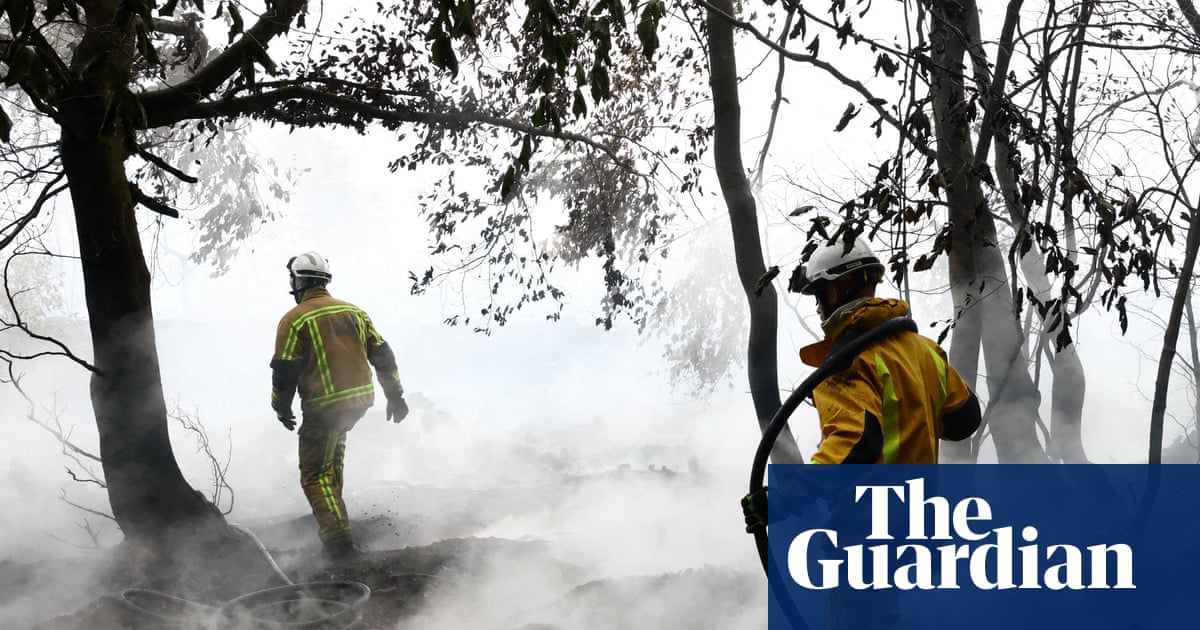
A recent study has revealed that wildfires in Europe are expected to increase by 39% by the end of the century, even under the most optimistic climate scenarios. This alarming projection underscores the pressing need for enhanced fire management strategies to combat the escalating threat posed by climate change.
Impact of Climate Change on Wildfire Frequency
The research indicates that rising temperatures, driven by carbon emissions, will lead to more frequent and intense wildfires across the continent. The study, conducted by the Potsdam Institute for Climate Impact Research (PIK), suggests that without significant action, the area affected by wildfires could nearly triple in a worst-case scenario, where global temperatures rise by 3.6°C above pre-industrial levels.
Potential Mitigation Through Improved Fire Management
Despite the grim outlook, the study highlights that improvements in fire management could reduce the projected increases in wildfire areas by over 70%. Maik Billing, the lead author of the study, emphasized that while investments in fire management are crucial, they cannot replace the need for broader climate mitigation efforts. “Fire management cannot replace climate mitigation,” Billing stated, stressing the importance of addressing the root causes of climate change.
Current Wildfire Season and Historical Context
This year’s wildfire season is on track to become the third-worst on record in the European Union, following the years 2025 and 2022. Data from the European Forest Fire Information Service indicates that over 600,000 hectares have already burned, with significant records set in countries such as Belgium, France, and Slovakia.
Comparative Analysis of Future Fire Weather
The researchers compared projected annual burnt areas for the years 2070-2100 with historical data from 2000-2030. They found that the increase in fire weather is the primary driver of the anticipated changes. In a scenario where global heating is limited to 1.8°C, some regions may experience moderate increases in fire weather, while others could see minimal changes. Conversely, in the pessimistic scenario of 3.6°C warming, fire weather is expected to worsen across virtually all of Europe.
Challenges in Fire Management
While improvements in firefighting capabilities since the 1980s have led to a reduction in the number of fires and the area burned in southern Europe, the suppression of even small fires has paradoxically increased the fuel load available for larger fires. This has resulted in fewer but more intense wildfires, as seen in recent events in France and Spain, where massive fires forced the evacuation of hundreds of thousands of residents.
Broader Implications and Future Directions
Experts, including forestry engineer Víctor Resco de Dios, have pointed out that the ongoing wildfire crisis is often oversimplified, attributing blame to singular factors rather than recognizing the complex interplay of climate change and land management practices. Resco de Dios noted that the severity of wildfires would not be as pronounced if the world were not experiencing global warming, and that historical land management practices could have mitigated some of the current risks.
The findings of this study serve as a critical reminder of the urgent need for comprehensive strategies that address both climate change and effective fire management to protect European landscapes and communities from the increasing threat of wildfires.



Deja una respuesta