The total solar eclipse on August 12, 2026, will be a remarkable event, particularly for parts of Spain. Here are five essential facts to understand about this astronomical phenomenon:
1. What Happens During a Total Solar Eclipse?
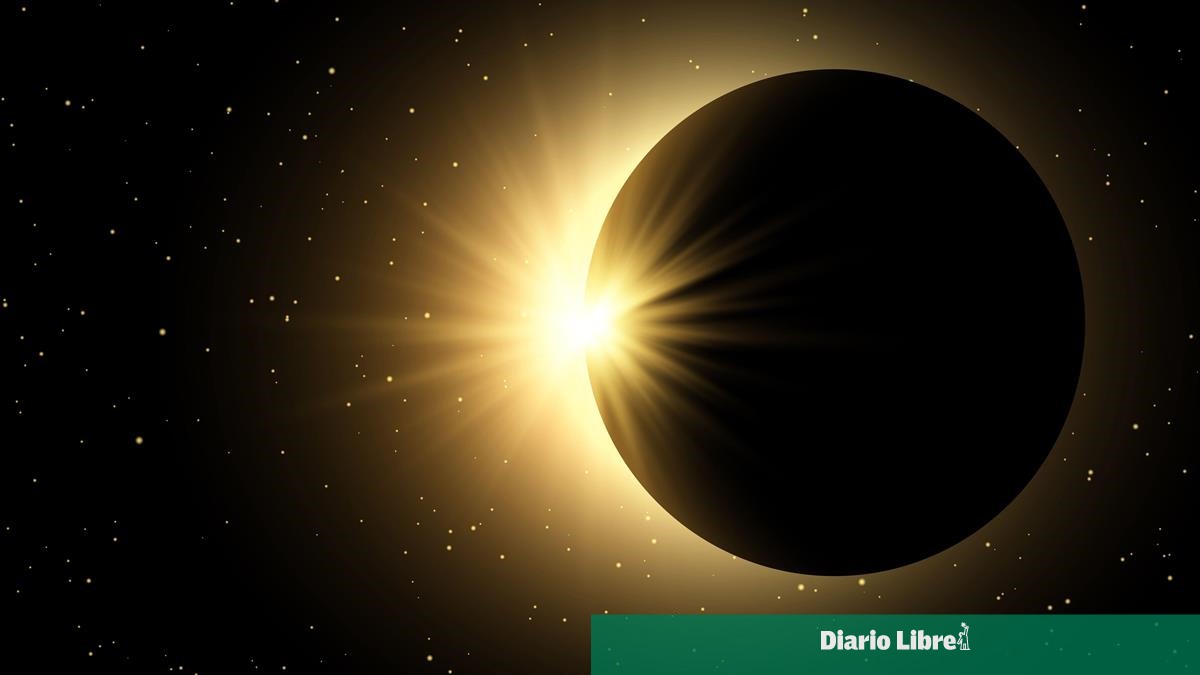
During a total solar eclipse, the Moon passes directly between the Earth and the Sun, casting its shadow on a narrow strip of the Earth’s surface. The French Astronomy Association (AFA) explains that due to a unique balance in the Solar System, the Moon, despite being 400 times smaller than the Sun, is also 400 times closer to Earth, making their apparent diameters identical. For several minutes, daylight fades, revealing the solar corona.
2. Path of the Eclipse
The total eclipse will initiate in Russia, traverse the northern hemisphere, and pass beneath Greenland before crossing the Atlantic Ocean and reaching Europe. In Spain, the path of totality will stretch from Oviedo to Palma de Mallorca, passing through Burgos. Those interested can view the eclipse’s trajectory on the Instituto Geográfico Nacional’s website.
3. Duration of the Eclipse
In Burgos, the total eclipse will last for 1 minute and 48 seconds. However, the entire event will span approximately two hours, beginning with a partial eclipse, transitioning to totality, and concluding with another partial phase. Overall, the complete phenomenon will be observable for 1 hour and 48 minutes in Burgos.
4. Frequency of Solar Eclipses
Solar eclipses occur between one and two times a year. However, the Moon’s shadow only touches the Earth in a narrow band of a few kilometers. As a result, it can take up to 400 years for a total solar eclipse to be visible from the same location again. Notably, two additional solar eclipses will be visible from different regions of Spain in the next two years: one on August 2, 2027, in the southern part of the country, and another on January 26, 2028, affecting a larger area in the south.
5. Importance of Eye Protection
It is crucial to use proper eye protection when viewing a solar eclipse. Glasses that meet the ISO 12312-2:2015 standard are essential, as they filter out 100% of UV rays. The AFA warns that while the eclipse itself is not dangerous, looking directly at the Sun without protection can cause permanent retinal damage, often without immediate pain or symptoms.



Deja una respuesta