
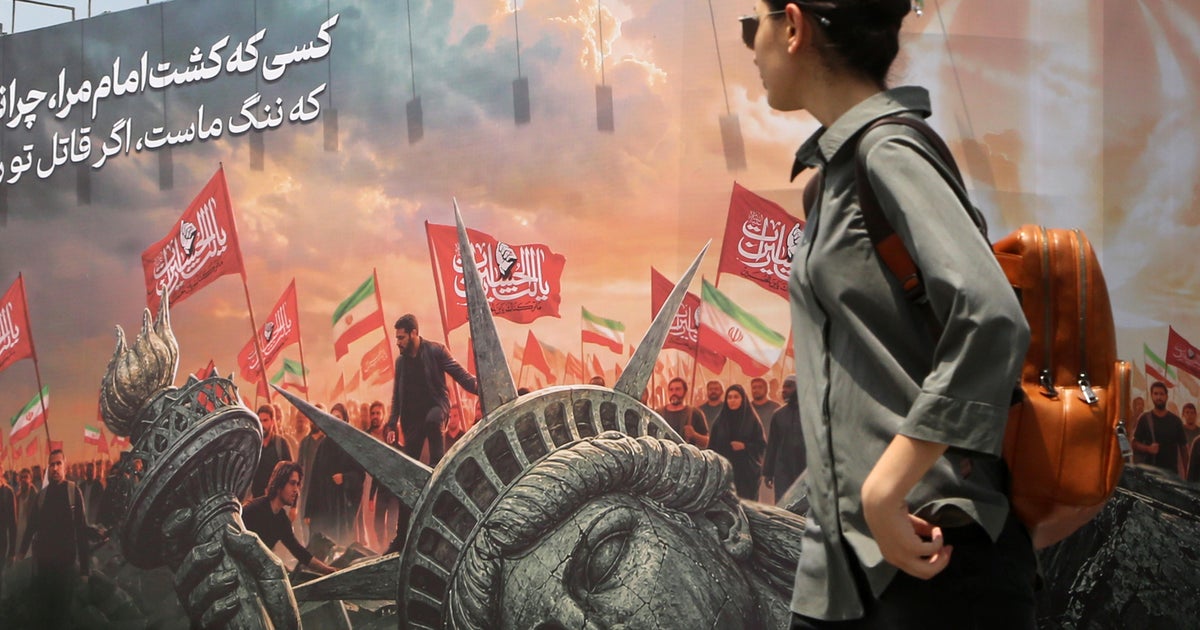
In a significant escalation of tensions, Iran has declared that it will not reopen the Strait of Hormuz until the United States «corrects its behavior.» This statement comes amidst ongoing negotiations with Oman regarding the management of the strategically important waterway, which has seen increased military activity recently.
Iran’s Demands for Reopening the Strait
The Supreme National Security Council of Iran has outlined a series of stringent demands that the U.S. must meet for the Strait to be reopened. These include:
- Ceasing all threats against Iran.
- Ending the naval blockade of Iranian ports.
- Withdrawing all U.S. military assets from the region.
- Lifting all sanctions imposed on Iran.
- Compensating Iran for damages incurred during conflicts.
Mohammad Bagher Zolghadr, the council’s secretary and a commander in the Revolutionary Guard, emphasized that these conditions must be met for any progress to occur.
Ongoing Negotiations with Oman
Despite the recent missile attack on a vessel owned by the Abu Dhabi National Oil Company in the Strait, Oman has stated that discussions with Iran are continuing positively. Omani officials condemned the attack but remain hopeful that negotiations can lead to a resolution that takes into account the interests of all parties involved.
Iran’s Foreign Minister Abbas Araghchi indicated that talks with Oman are in their final stages but cautioned that this does not guarantee an immediate reopening of the Strait. He reiterated that any agreement would require the U.S. to stop its aggressive policies.
Recent Attacks and Regional Tensions
The situation in the region remains volatile, as Iran has targeted vessels in the Strait of Hormuz, asserting control over the waterway. The U.S. has expressed its intent to negotiate a deal regarding the Strait, but no immediate response has been issued following Iran’s latest demands.
In a related development, Iranian lawmakers have warned Saudi Arabia against its new defense pact with Turkey and Pakistan, suggesting that such agreements will not guarantee security. The Iranian government has expressed skepticism about the effectiveness of alliances formed with U.S. allies.
Conclusion
The standoff in the Strait of Hormuz highlights the precarious balance of power in the region, with Iran asserting its demands while facing international scrutiny. As negotiations continue, the potential for conflict remains high, particularly with the backdrop of military actions and retaliatory threats from various stakeholders.


Deja una respuesta