
A coalition of over 270 marine scientists has expressed serious concerns regarding the Australian government’s approach to marine conservation, particularly in relation to the establishment of marine parks. In a letter addressed to Environment Minister Murray Watt, the experts argue that the majority of highly protected marine areas are situated in remote waters, leaving vital coastal ecosystems vulnerable.
Concerns Over Current Marine Park Designations
The scientists, representing 84 research institutions, are advocating for stronger protections for Australia’s unique marine ecosystems as a review of marine parks is currently underway. They highlight that while approximately 25% of Australian waters are designated as highly protected, these areas predominantly cover offshore regions, with minimal protections in coastal waters.
Unique Biodiversity at Risk
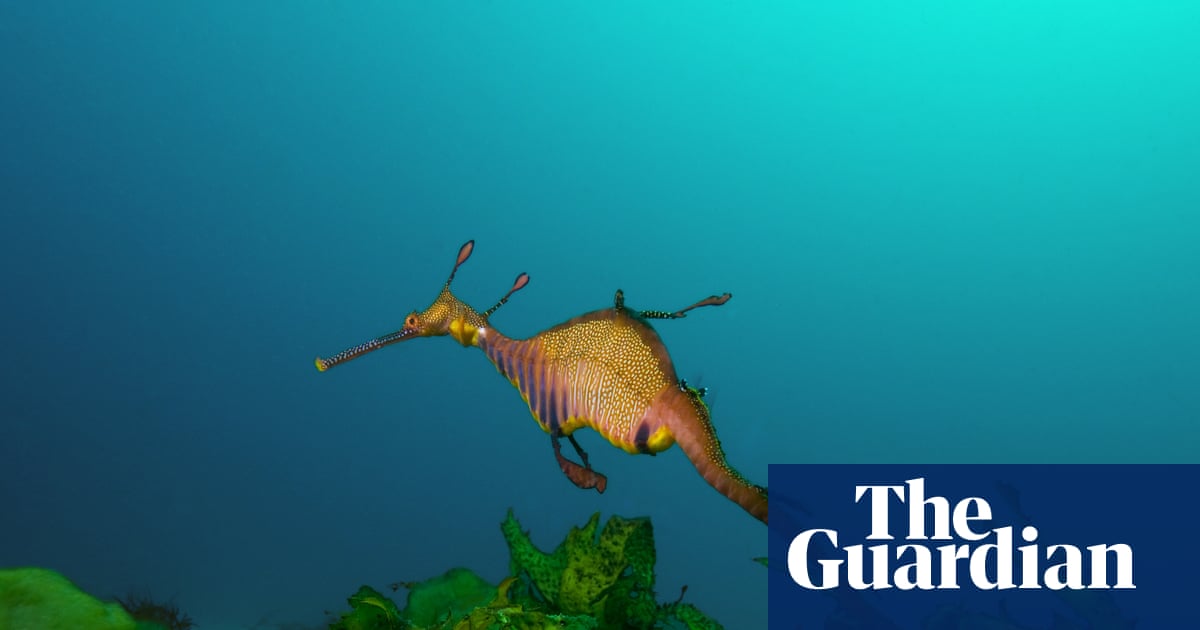
According to Prof. Jessica Meeuwig, director of the Marine Futures Lab at the University of Western Australia, many marine species found in Australian waters are endemic and cannot be found elsewhere. She emphasized the urgency of protecting these species, stating, “If we don’t protect them here, it’s not like we can expect somebody else to do the job; they’re lost forever.”
Proposed Changes to Marine Park Protections
The scientists are calling for at least 30% of every marine bioregion to be designated as highly protected, which would include bans on industrial activities such as trawling and mining. They noted that in some regions, only 1% to 7% of the oceans are currently highly protected, leaving vast areas open to exploitation.
Impact of Climate Change and Urbanization
Prof. David Booth, a marine ecologist at the University of Technology Sydney, pointed out that the temperate east region of Australia is particularly biodiverse, hosting a mix of tropical and temperate fish species. However, this region is also experiencing significant changes due to climate impacts, urban development, and fishing pressures. He remarked, “It’s an area of rapid change, with very little protection at the moment.”
Government’s Commitment to Marine Conservation
In response to the scientists’ concerns, Minister Watt stated that the government is committed to protecting 30% of Australia’s oceans by 2030. He mentioned that the proposed expansion of marine parks around Lord Howe and Norfolk Islands would help achieve this target ahead of schedule. Watt emphasized the importance of balancing conservation efforts with sustainable use of marine resources.
Call for a Representative Network of Protected Areas
Associate Professor Carissa Klein from the University of Queensland echoed the need for a more representative network of protected areas, stating that current designations are biased towards remote locations. She argued that protecting diverse marine life requires a comprehensive approach that includes all bioregions.
Furthermore, the scientists believe that enhancing protections would not only benefit marine biodiversity but also support fishing industries and boost tourism. For instance, it was noted that 80% of the coral trout caught in fishing areas of the Great Barrier Reef originate from highly protected zones.
A Critical Opportunity for Marine Conservation
As the review of marine parks progresses, the scientists view this as a critical opportunity for Australia to set a high standard for marine conservation globally. Prof. Meeuwig remarked, “When Australia leads, it keeps the bar high. If we set the bar low, it gives permission to everybody else to do a bad job.”



Deja una respuesta