
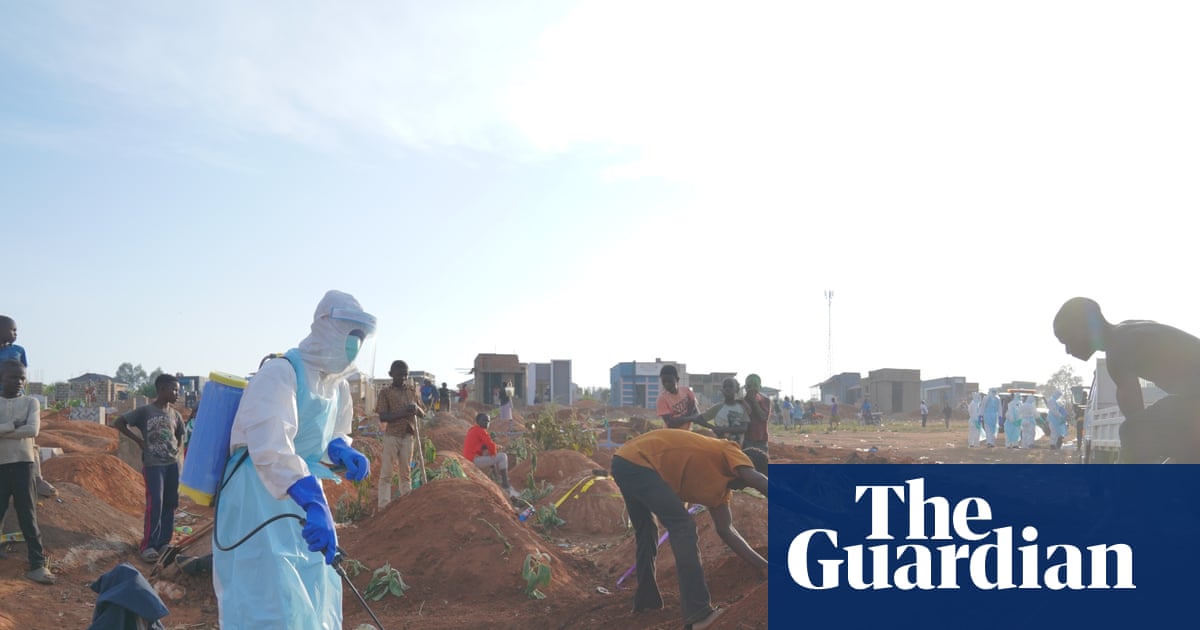
The ongoing Ebola outbreak in the Democratic Republic of the Congo (DRC) has officially become the deadliest in the nation’s history, claiming at least 2,325 lives according to government data. This alarming figure surpasses the death toll from the previous outbreak that occurred between 2018 and 2020.
Current Situation and Statistics
As of now, the DRC’s public health institute has reported a total of 4,945 confirmed cases, with 101 new cases identified in just the last 24 hours. The World Health Organization (WHO) has indicated that this outbreak is on track to exceed the infamous 2014-2016 West Africa outbreak, which resulted in 28,616 cases and 11,310 deaths across Guinea, Liberia, and Sierra Leone.
Geographical Impact
Six out of the DRC’s 26 provinces have been affected, primarily those along the northeastern border. The province of Ituri, where the outbreak was first reported, has recorded over 3,400 cases. This outbreak, now classified as the 17th in the DRC’s history, is noted for its rapid escalation, with more than 2,000 deaths occurring in less than three months, compared to the five months it took for the previous outbreak to reach a similar death toll.
Healthcare Response and Challenges
Currently, there are no approved vaccines or treatments for the Bundibugyo strain of the virus responsible for this outbreak. However, approximately 1,000 individuals have recovered from the infection, while 730 remain in healthcare or isolation facilities. Clinical trials for two potential treatments began last month in Ituri, and two vaccines specifically developed for the Bundibugyo strain are undergoing testing.
Dr. Tedros Adhanom Ghebreyesus, the WHO Director-General, emphasized the urgency of the situation, stating that the outbreak is killing one person every 30 minutes. Public health specialist Thomas Parisch, recently deployed to the DRC with Médecins Sans Frontières, noted that the case fatality ratio has not decreased as expected, indicating that many cases are being detected too late for effective treatment.
Regional Developments
Neighboring Uganda has reported at least 20 cases, all located in the capital, Kampala. The last case was recorded on June 21, and no community transmission has been noted since the government declared the country Ebola-free on July 28.
Public Health Emergency
In May, the WHO declared the Ebola outbreak in both the DRC and Uganda a public health emergency of international concern. Investigations revealed that the outbreak had begun months earlier, in February, complicating the response efforts.
Transmission and Symptoms
Ebola is transmitted to humans from wild animals and spreads through direct contact with bodily fluids of infected individuals, including deceased persons. Symptoms typically include fever, fatigue, muscle pain, and gastrointestinal distress, which can escalate to severe complications.
Community Response and Misinformation
The response to the outbreak has faced significant challenges, including attacks on healthcare facilities and misinformation regarding safe burial practices. Many individuals prefer to seek treatment at home due to fears surrounding healthcare facilities, often resulting in late detection of cases. According to WHO’s regional Africa director, over 70% of deaths occur in the community rather than in health centers.
Local civil society officials have reported that families often delay seeking medical help until it is too late, leading to preventable deaths. Community member Flavier Ngurima recounted the tragic story of his brother, who died before reaching a treatment center due to fears surrounding the facility.


Deja una respuesta