China has officially condemned the United States’ recent threats of sanctions related to its trade with Iran, asserting that such measures would be illegal. The Chinese government has stated it will take «all necessary measures» to safeguard its national interests.
China’s Economic Ties with Iran
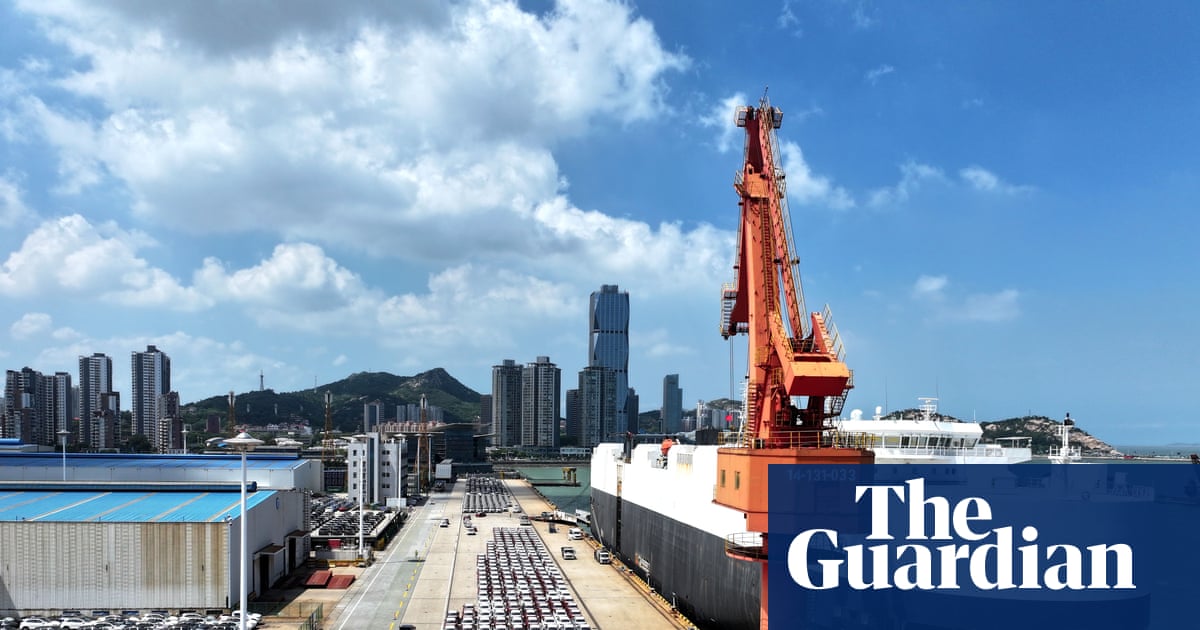
Beijing’s rejection of the US sanctions threat comes as no surprise, given that China is estimated to purchase around 80% of Iran’s oil exports. This significant trade relationship has led China to defy previous US attempts to restrict the flow of revenue to the Iranian regime.
US Sanctions Announcement
On Monday, US Treasury Secretary Scott Bessent announced an initial set of sanctions targeting 60 individuals, entities, and vessels allegedly involved in trade with Iran. Notably, no Chinese financial institutions were included in this list, indicating a cautious approach from the US.
Bessent explained the rationale behind not imposing immediate sanctions, stating, «Why would I want to blow up the global financial system?» This reflects an awareness of the potential repercussions of such actions, particularly in light of an upcoming summit between US President Donald Trump and Chinese President Xi Jinping.
Potential Consequences of US Actions
Experts in finance and trade suggest that the Trump administration is mindful of the risks associated with Chinese retaliation. Such retaliation could manifest in various forms, including actions in financial markets or restrictions on the export of critical minerals from China.
Lin Jian, spokesperson for China’s foreign ministry, emphasized that cooperation between China and Iran operates within the framework of international law and should not be disrupted. He reiterated China’s firm opposition to unilateral sanctions, stating, «China will take all necessary measures to firmly safeguard its own rights and interests.»
Iran’s Response to US Sanctions
Despite facing economic challenges due to the ongoing conflict and US sanctions, Iran has maintained a defiant stance. Iranian Economy Minister Ali Madanizadeh declared on state television, «Our defense is no longer so defensive; the enemies should wait for an attack.» This statement underscores Iran’s determination to resist external pressures.
Regional Developments
In related news, an oil tanker was reportedly struck by an unidentified projectile near the Strait of Hormuz, although the crew was reported safe and no immediate environmental damage was noted. Concurrently, Iran and Oman have engaged in discussions aimed at establishing joint management of the strategic waterway.
A Pakistani delegation, led by Army Chief Field Marshal Asim Munir, recently visited Tehran to mediate in the ongoing conflict, focusing on reopening the Strait of Hormuz. A previous memorandum between the US and Iran intended to facilitate this reopening collapsed shortly after its announcement.
Future Implications
The sanctions campaign, dubbed Operation Economic Outcast by Bessent, suggests that the US is leaning towards economic measures rather than military action after months of conflict that have not yielded the desired outcomes. Bessent characterized the sanctions as an unprecedented economic assault aimed at severing Iran’s financial connections globally.
As tensions escalate, oil prices have fluctuated, dropping approximately 4% following the sanctions announcement. However, prices remain significantly higher than pre-war averages, indicating ongoing market volatility.
While the US has not ruled out military action, Bessent’s comments reflect a strategic shift towards economic pressure as a means to achieve US objectives regarding Iran’s nuclear program and regional influence.


Deja una respuesta