
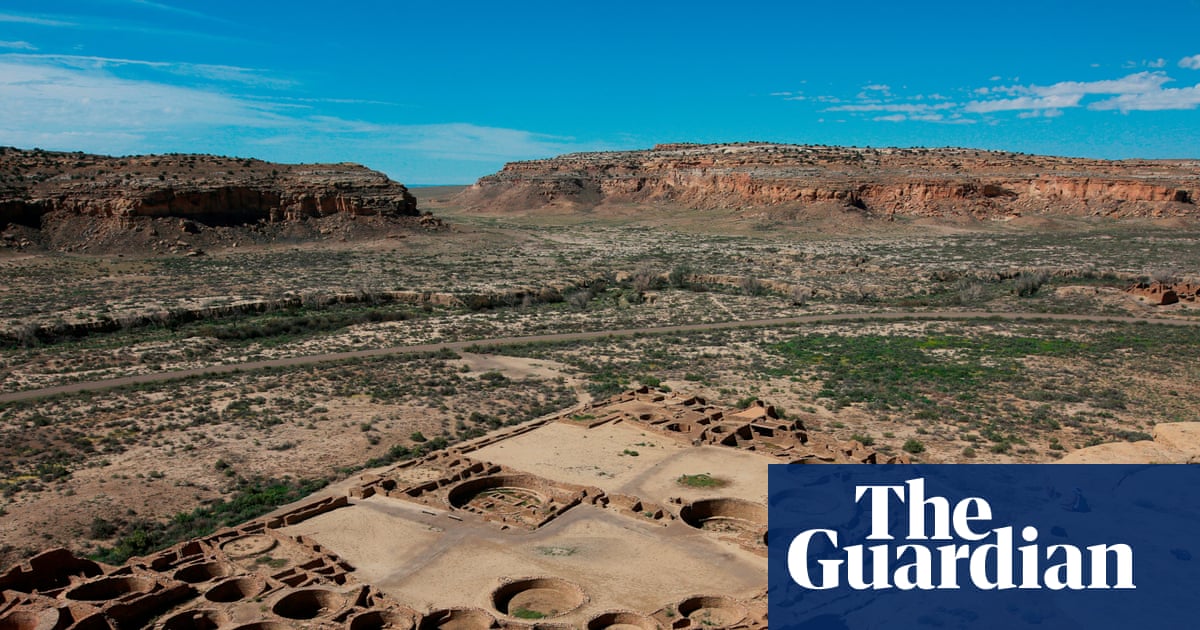
The Trump administration’s initiative to expand oil and gas drilling across the United States has raised significant concerns regarding its potential impact on culturally and environmentally sensitive areas. One of the most alarming proposals involves the Chaco Culture National Historical Park in northwestern New Mexico, a designated UNESCO World Heritage site.
UNESCO’s Response to the Proposed Changes
UNESCO has expressed its alarm over the administration’s plan to eliminate a 10-mile buffer zone that currently protects the Chaco Culture site from industrial activities, including drilling. A spokesperson from UNESCO stated that the organization has procedures in place to address “potential threats” to world heritage properties and is awaiting further information from the U.S. government regarding the implications of this plan.
Concerns from Conservationists and Local Leaders
Conservationists, tribal leaders, and archaeologists have united in opposition to the proposed drilling, warning that it could lead to irreversible environmental damage. Deb Haaland, the former Interior Secretary who was instrumental in establishing the buffer zone in 2023, criticized the plan, stating that it demonstrates a lack of respect for the cultural significance of the area and the lives of local residents.
Potential Environmental Impact
Opponents of the drilling plan argue that allowing oil and gas development near Chaco would introduce air pollution, disrupt the pristine dark skies valued by both the ancient Pueblo peoples and modern astronomers, and threaten local water sources through fracking activities. The historic park, which spans 53 square miles, is home to significant archaeological sites, including the ruins of ancient Pueblo settlements.
Public Sentiment and Opposition
The Bureau of Land Management (BLM) received over 100,000 public comments, predominantly opposing the drilling proposal, during a brief 14-day comment period that concluded in July. This overwhelming response highlights the deep concern among the public regarding the potential degradation of this culturally significant area.
Broader Context of Oil and Gas Development
The U.S. is home to 27 world heritage sites, all protected under international treaties for their cultural, historical, or scientific importance. However, many of these sites are already threatened by nearby drilling and mining activities. The Trump administration’s aggressive push for fossil fuel extraction has led to increased scrutiny of its environmental policies, particularly concerning protected lands.
Local Voices and Future Implications
Community leaders, such as Daniel Tso from the Navajo Nation, have voiced their fears about the potential impacts of drilling near Chaco. Tso highlighted that existing oil and gas operations have already shown a disregard for local communities and the environment, raising concerns about health impacts and the sanctity of the land.
As the debate continues, many remain skeptical that the administration will heed the widespread opposition to the BLM’s drilling proposal. The ongoing discussions reflect a broader tension between resource extraction and the preservation of culturally and environmentally significant sites in the United States.


Deja una respuesta