As concerns over ocean acidification grow, researchers are investigating whether adding alkalis to seawater can help mitigate this pressing environmental issue without harming marine ecosystems. However, recent funding cuts from the U.S. government threaten to derail these crucial studies.
The Lobster Industry and Environmental Changes
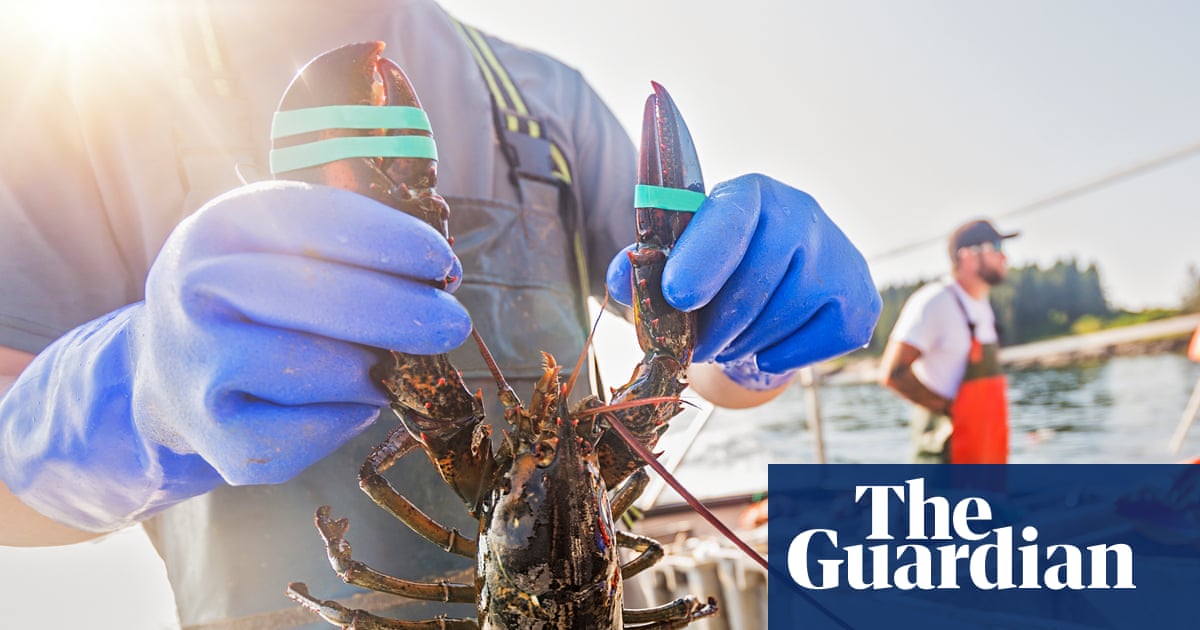
In New England, the lobster roll has become a summer staple, but the rising prices reflect deeper issues in the lobster fishing industry. Scott Lord, a third-generation lobster fisherman, has observed a significant decline in lobster populations over the past 15 years, forcing fishers to venture further offshore in search of their catch. «Whether you agree with who says why it’s happening, it is happening,» Lord states, highlighting the urgency of the situation.
Research Initiatives on Ocean Carbon Removal
In Massachusetts, Adam Subhas, a scientist at the Woods Hole Oceanographic Institution, leads the LOC-NESS initiative, which aims to explore marine carbon dioxide removal (mCDR) techniques. This research focuses on enhancing ocean alkalinity to increase the ocean’s capacity to absorb atmospheric carbon dioxide. Proponents argue that such methods could play a vital role in preventing global temperatures from exceeding the 2°C threshold set by the Paris Agreement.
Despite initial momentum, the project faces significant hurdles following President Trump’s announcement of cuts to federal funding for ocean science. Subhas notes, «The funding cuts are affecting everyone,» as LOC-NESS becomes one of the few remaining projects in the U.S. focused on ocean carbon removal.
Field Trials and Their Implications
Last summer, LOC-NESS conducted field trials in the Gulf of Maine, where researchers dispersed approximately 65,000 liters of sodium hydroxide into the ocean to test its effects on carbon absorption. The trials aimed to gather data on how marine life, particularly lobsters, responds to varying levels of alkalinity.
Chris Murray, a marine biologist involved in the research, has developed special floating mesh cups to prevent lobsters from cannibalizing each other during the trials. Preliminary results indicate no increased mortality or behavioral changes in lobsters exposed to elevated pH levels, but further analysis of their RNA will provide deeper insights into their physiological responses.
European Funding Opportunities
While U.S. funding has dwindled, European institutions have ramped up their support for marine carbon dioxide removal research. The European Union has allocated over £8.5 million in grants over the past two years, benefiting more than 20 universities across Europe. This influx of funding may provide a lifeline for researchers like Sam Dupont at the University of Gothenburg, who is studying the effects of alkalinity on various marine species.
The Future of Ocean Research
Despite the challenges, researchers remain committed to understanding the implications of ocean alkalinity enhancement. Ken Buesseler, a professor emeritus at Woods Hole, emphasizes the need for continued research into geoengineering techniques alongside fossil fuel reduction to address the climate crisis effectively. «The climate crisis isn’t going away because we stop funding research into ocean solutions,» he warns.
As the scientific community grapples with funding uncertainties, the future of ocean health and the lobster industry hangs in the balance, underscoring the urgent need for innovative solutions to combat ocean acidification.



Deja una respuesta